
No products in the cart.: ₹0.00
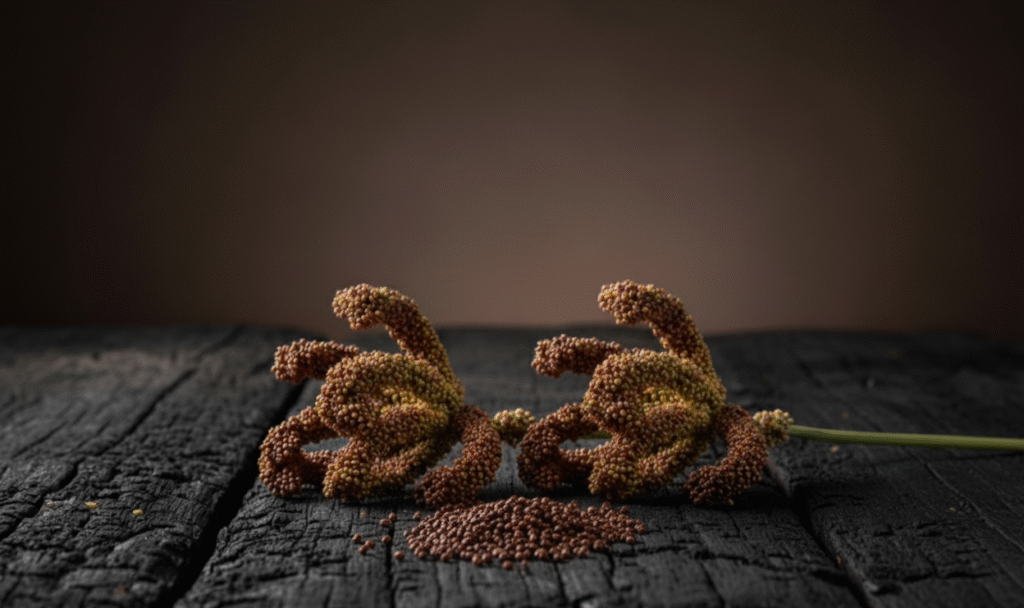
Ragi
Ragi (also called finger millet, nachni, or kezhvaragu) is one of the most nutritious millets. It’s widely eaten in India, especially in Karnataka and Tamil Nadu. Here are the main advantages:
🌾 Nutritional Benefits
•High in calcium – Excellent for bones and teeth, prevents osteoporosis.
•Rich in fiber – Supports digestion, prevents constipation, and keeps you full longer.
•Good protein source – Especially beneficial for vegetarians.
•Loaded with iron – Helps prevent anemia.
•Low glycemic index – Safe for diabetics.
•Gluten-free – Good for those with gluten intolerance.
💪 Health Benefits
•Strengthens bones – Ideal for children and older adults.
•Manages diabetes – Keeps blood sugar stable.
•Aids weight loss – High fiber curbs hunger.
•Supports heart health – Lowers cholesterol.
•Improves hemoglobin levels – Due to high iron.
•Good for lactating mothers – Boosts milk production.
🌱 Environmental Benefits
•Grows well in poor soils and needs little water.
•Naturally pest-resistant, reducing chemical use.
•Climate-resilient, grows in drought-prone areas.
🍲 Culinary Uses
•Can be made into ragi malt, dosa, idli, roti, mudde (balls), cookies, laddus, and porridge.
•Mild nutty flavor, easy to pair with savory and sweet dishes.
✨ In short: Ragi millet is calcium-rich, diabetic-friendly, boosts stamina, and is eco-friendly.